Learn more about national concrete standards from the American Concrete Institute (ACI). If you have been browsing national home improvement websites to estimate the cost of your new driveway or patio in Fargo, you are likely setting yourself up for a shock. Those generic online calculators often cite averages from Florida or Texas—places where contractors can pour concrete directly onto sandy soil and walk away.
In the Red River Valley, we do not have that luxury. We are building on top of ancient Lake Agassiz lakebed clay, a dense, expansive soil that moves like a living thing during our freeze-thaw cycles.
At Solid State Concrete, we believe in radical transparency. We know that a sticker price of $10,000+ for a driveway can feel steep, but we also know that a $6,000 “bargain” driveway that heaves and cracks in two years is far more expensive in the long run.
This guide is your honest, detailed breakdown of residential concrete pricing in the Red River Valley for 2026. We will cover the square-footage costs, the “hidden” factors that drive prices up in our region, and exactly what you should expect for your investment
The Baseline: 2026 Price Ranges (Per Square Foot)
Let’s get straight to the numbers. The following ranges represent installed costs (materials, labor, site prep, and finishing) for residential projects in the Fargo area for 2026.
Note: These ranges assume a standard accessible site. Complex grading, tight access for ready-mix trucks, or pump truck requirements will adjust these figures.
Standard Grey Concrete (Broom Finish)
Price Range: $8.00 – $14.00 per sq. ft.
This is the industry standard for driveways, garage aprons, and city sidewalks. “Broom finish” refers to the texture dragged across the wet concrete to provide traction—essential for safety during North Dakota winters.
- What you get at the low end ($8 – $10): Typically a 4-inch slab with standard wire mesh reinforcement. This is often sufficient for sidewalks or patios that don’t carry heavy loads. However, be cautious of quotes in this range for a main driveway.
- What you get at the high end ($11 – $14): A 5-to-6-inch slab reinforced with a rebar grid (usually #3 or #4 bar spaced 2 feet apart) and potentially fiber-mesh additives in the mix. This is the minimum recommendation for a durable driveway in Fargo.
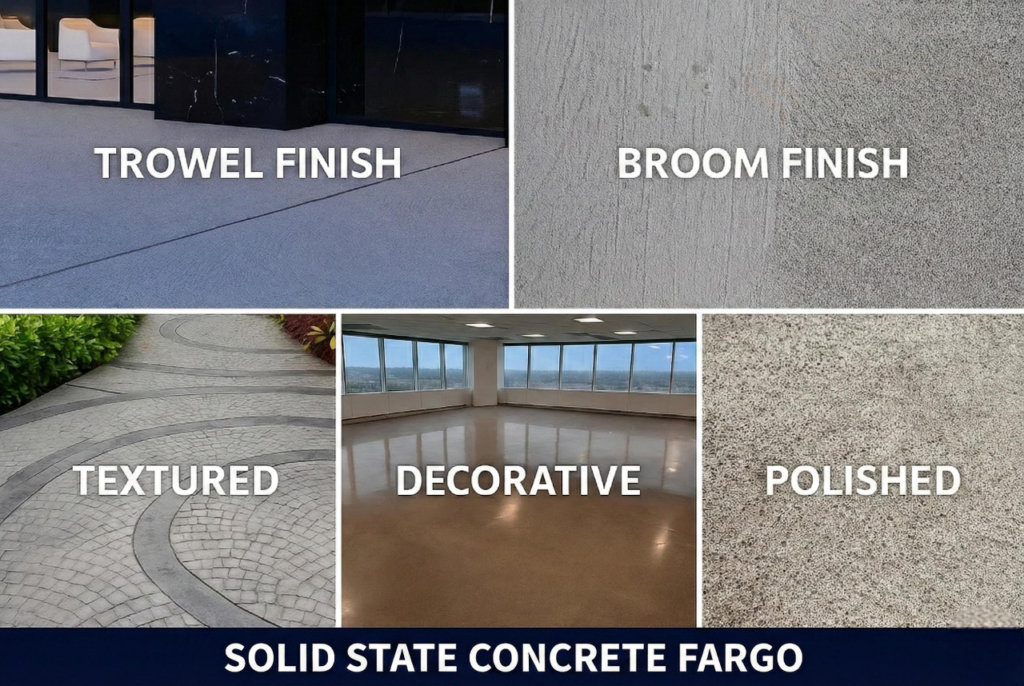
Decorative & Stamped Concrete
Price Range: $14.00 – $28.00+ per sq. ft.
Stamped concrete has surged in popularity across West Fargo and Horace as homeowners look to replace high-maintenance wood decks with permanent, rot-free patios.
- Basic Stamp ($14 – $18): One base color, one release color (accent), and a seamless texture pattern (like slate or stone texture without deep grout lines). This creates a high-end look without the labor intensity of individual stone definitions.
- Premium Stamp ($18 – $28+): This includes complex patterns (such as Ashlar Slate or Wood Plank), hand-stained individual stones for realism, and contrasting borders. This price range reflects the high skill level required; the crew has a limited window to stamp the pattern before the concrete sets, demanding a larger, more experienced team.
Factors Influencing Residential Concrete Pricing in the Red River Valley
The most expensive mistake you can make in Fargo is pouring concrete directly onto our native soil. Our clay is highly expansive. When it gets wet, it swells; when it dries, it shrinks. If your concrete is bonded directly to this soil, the slab will snap as the ground moves.
To fix this, we have to “over-excavate.”
- The Process: We dig out an extra 4 to 6 inches of soil below the slab depth.
- The Fill: We import Class 5 gravel or crushed granite—material that drains well and doesn’t expand.
- The Cost: You are paying for the excavation equipment, the hauling away of the heavy clay, and the trucking in of the new gravel. This process alone adds $2.00 – $4.00 per sq. ft. to the job compared to national averages, but it is the only way to ensure your driveway stays level.
Reinforcement is Non-Negotiable
In milder climates, contractors often use thin wire mesh (similar to chain-link fencing) to hold concrete together. In North Dakota, wire mesh is rarely enough.
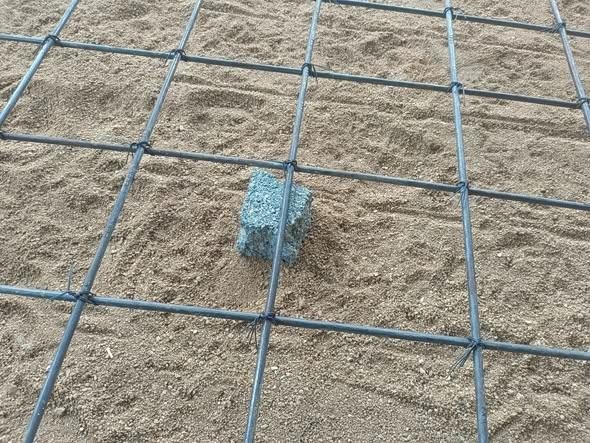
- The Standard: We use steel Rebar (reinforcing bar).
- The Grid: We tie this rebar into a 2-foot by 2-foot grid, lifting it onto “chairs” so it sits in the exact center of the slab.
- Why it costs more: Steel prices have fluctuated, but the labor to cut, tie, and position a rebar grid is significant. However, when the frost heaves the ground, that steel grid holds the slab together as one solid unit, preventing the “stair-step” cracking you see on older, cheaper driveways.
The PSI Requirement
We don’t use a “standard” concrete mix. We order “exterior air-entrained” mixes, usually rated at 4000 PSI (pounds per square inch) or higher.
- Air Entrainment: This is a chemical additive that creates billions of microscopic air bubbles in the concrete. When moisture inside the concrete freezes in January, it expands into these bubbles rather than shattering the rock.
The Premium: High-PSI, air-entrained mix costs more per yard from the batch plant, but it is critical for freeze-thaw durability.
"Hidden" Costs You Must Budget For
When analyzing residential concrete pricing in the Red River Valley, you must look beyond the per-square-foot number. A transparent quote from Solid State Concrete will always list these items separately or explicitly include them, so you aren’t surprised.
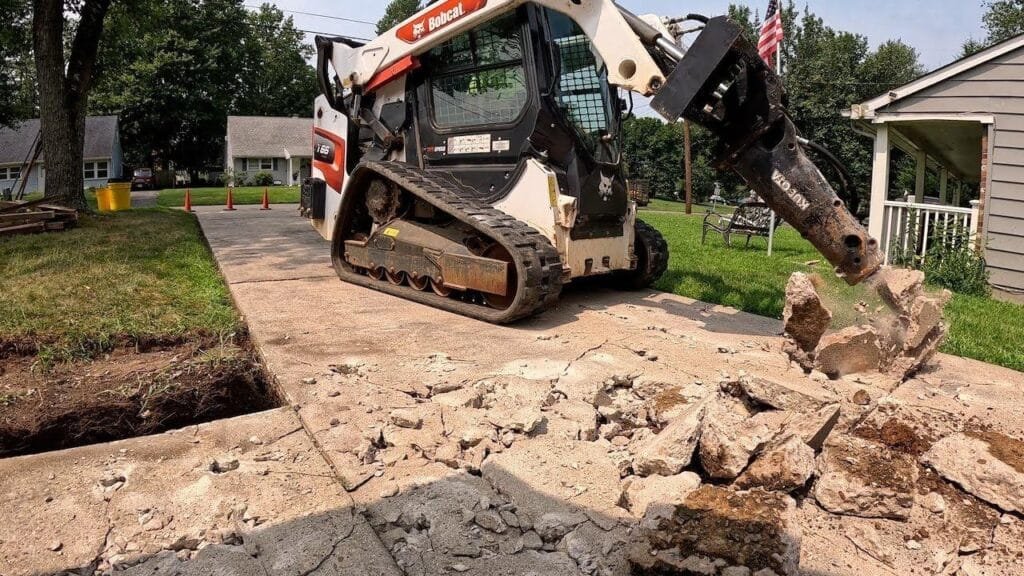
Demolition & Disposal ($2.00 – $6.00 per sq. ft.)
If you have an existing cracked driveway, it needs to go. The cost depends on:
- Reinforcement: Is there old rebar in the concrete? That makes it harder to break and cut.
- Access: Can we get a skid steer right up to it, or do we have to wheelbarrow debris out?
Disposal Fees: The local landfill in Fargo charges by weight. Concrete is heavy, and trucking costs have risen in 2026.
Winter Heating Fees (Oct – April)
If you are pushing to get your project done in late October or early April, the concrete plant charges a “Winter Service Fee.”
- Heated Water: They use boiling water in the mix to ensure it doesn’t freeze in the truck.
- Accelerators: Chemical additives (like calcium chloride or non-chloride accelerators) are added to make the concrete cure faster before the temperature drops at night.
- Blankets: We may need to rent insulated curing blankets to cover the fresh slab for 3-7 days.
- Budget Impact: Expect to add $300 – $600 to the total project cost for winter pours.
Permits & City Approaches
Every city in our area handles permits differently.
- Fargo & West Fargo: Usually require a permit for driveway expansion or apron replacement. The city inspector must check the forms and rebar before we pour.
- The “Apron” Factor: The section of the driveway between the sidewalk and the street is technically in the public right-of-way. Some municipalities require specific thicknesses (often 7 inches) for this section, which increases material costs.
- Cost: Permit fees are generally nominal ($50-$150), but inspection time must be factored into the schedule.
Sealing ($1.00 – $2.00 per sq. ft.)
Curing and sealing are often confused.
- Curing: Done immediately to help the concrete reach strength.
Sealing: A penetrating siloxane or acrylic sealer applied after 30 days. This is what protects your driveway from the salt that drops off your car tires. While some contractors include this, many list it as an option. Our advice: Never skip the sealer in Fargo.
Concrete vs. Asphalt vs. Pavers: A 2026 Comparison
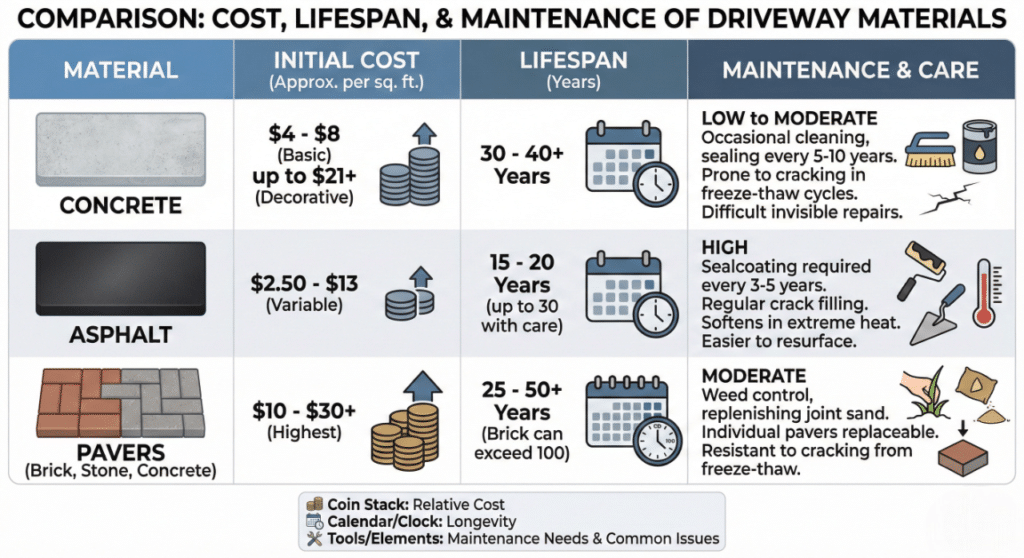
Homeowners often ask if they can save money by choosing asphalt or pavers. Here is how residential concrete pricing in the Red River Valley compares to the alternatives in 2026.
Concrete vs. Asphalt
- Asphalt Cost: Generally 30-40% cheaper upfront than concrete.
- The Trade-off: Asphalt is flexible, which is good for frost heave, but it requires seal coating every 2-3 years. In our hot summers, asphalt softens and can be scarred by motorcycle kickstands or trailer jacks.
- Longevity: A well-poured concrete driveway lasts 30-50 years. An asphalt driveway typically lasts 15-20 years before needing a complete overlay.
Concrete vs. Pavers
- Paver Cost: Generally 20-30% more expensive than stamped concrete.
- The Trade-off: Pavers are beautiful and individual bricks can be replaced if they crack. However, in the Red River Valley clay, maintaining a perfectly level paver surface is difficult. As the ground heaves, pavers shift, leading to uneven surfaces that are a nightmare to shovel in winter.
- Weeds: Pavers have joints; concrete does not. Unless you use expensive polymeric sand (and re-apply it every few years), you will be weeding your driveway.
Project Examples: Real World Math
To help you visualize the budget, here are two hypothetical examples based on typical Fargo homes. These breakdowns illustrate how residential concrete pricing in the Red River Valley translates into a final invoice.
Example A: The “South Fargo” Driveway Replacement
Scenario: A 1990s home with a cracked, heaving driveway. The homeowner wants a complete replacement with a new, wider apron.
- Size: 750 sq. ft.
- Scope:
- Break out and haul away old concrete ($3,000).
- Excavate wet clay and install 6″ Class 5 gravel base.
- Install #4 Rebar grid (2′ on center).
- Pour 4500 PSI air-entrained concrete (5 inches thick).
- Broom finish with hand-tooled edges.
- Estimated Total: $10,500 – $13,000
Timeline: 3-4 days (weather permitting).
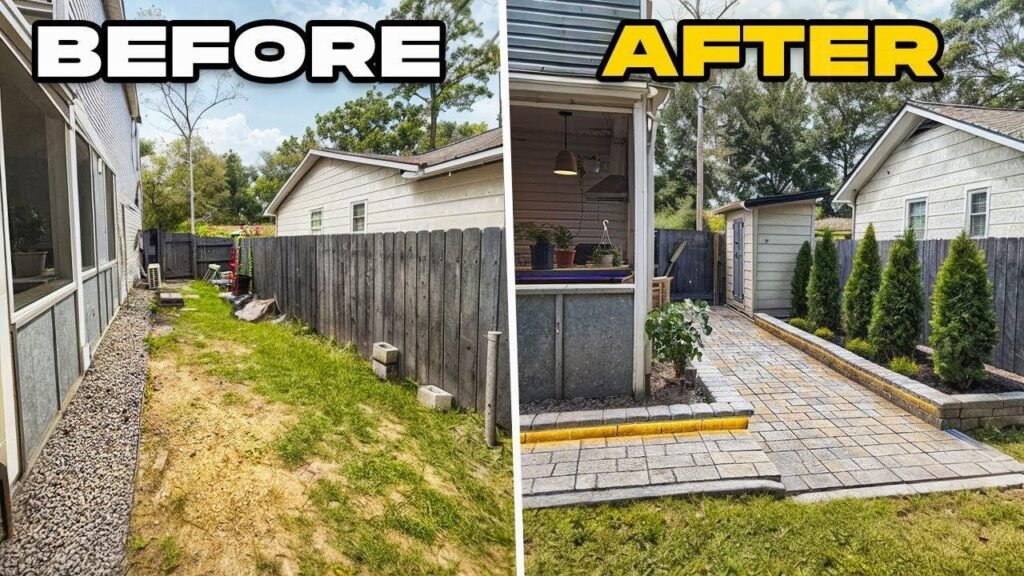
Example B: The “West Fargo” Backyard Oasis
Scenario: A new build home with a dirt backyard. The homeowner wants a stamped patio for entertaining.
- Size: 400 sq. ft.
- Scope:
- Grass removal and site grading.
- 4″ compacted gravel base.
- Reinforced slab.
- Pattern: “Ashlar Slate” stamp.
- Color: “Slate Grey” integral color with “Charcoal” release (two-tone).
- High-gloss acrylic sealer with “Shark Grip” (anti-slip additive).
- Estimated Total: $7,200 – $9,500
- Timeline: 4-5 days (stamping and sealing requires dry weather).
Maintenance: Protecting Your Investment
One factor that significantly affects the “lifetime cost” of your concrete is maintenance. While concrete is durable, it is not invincible—especially against salt.
The “Salt” Danger
In Fargo, city plows drop magnesium chloride and rock salt. You drive through it, park in your driveway, and the salty slush drips onto the concrete.
- The Damage: Salt lowers the freezing point of water, increasing the number of freeze-thaw cycles the surface endures. It can also chemically attack the cement paste, leading to pitting.
- The Solution: We recommend a high-quality penetrating sealer applied every 3 years. This costs roughly $0.50 per square foot if you DIY, or $1.50 per square foot if you hire a pro.
The “Caulk” Strategy
The expansion joints (the cuts we make in the concrete) are there to control cracking. However, they can also let water seep under the slab.
- The Fix: Using a self-leveling concrete caulk (like Sikaflex) in these joints prevents water from getting under the slab and freezing. This small $200 investment can extend the life of your driveway by a decade.
The "Lowest Bidder" Warning
In the construction world, there is an old saying: “The bitterness of poor quality remains long after the sweetness of low price is forgotten.”
This is especially true when discussing residential concrete pricing in the Red River Valley. In our market, the “lowest bidder” usually achieves that price by cutting one of three corners:
- Thinner Concrete: Pouring 3.5 inches instead of a full 4 or 5 inches. You won’t notice the difference until a delivery truck cracks it.
- Skimping on Base: Pouring on dirt instead of buying gravel. This saves the contractor trucking fees and material costs, but guarantees your slab will heave.
- Watering Down the Mix: Adding water to the truck on-site makes the concrete flow like soup, which makes it easier for the crew to spread. However, excess water weakens the chemical bond of the concrete, leading to flaking (spalling) in the first winter.
At Solid State Concrete, we don’t play those games. We build driveways and patios designed to survive North Dakota. We provide detailed, written estimates that specify the PSI of the mix, the thickness of the gravel base, and the gauge of the rebar.
Ready to plan your 2026 project?
The construction season in the Red River Valley is short. If you are considering a new driveway or patio for this summer, the time to start the conversation is now.
Contact Solid State Concrete today for a free site assessment. Let’s build something solid.